Modern shopping is not just about buying more clothes or chasing every new trend. Many people now want wardrobes that feel personal, flexible, and easy to style across different situations. Work, dinner, travel, weekends. The same pieces should work for multiple moments.
This article covers curated shopping, everyday style, trend awareness, and smarter wardrobe choices. Just a neutral look at how fashion fits into real life right now.
Why Shoppers Are Becoming More Selective
Fashion shoppers are more careful with purchases these days. Economic uncertainty plays a role. So does price sensitivity. Too many options online also overwhelm people. McKinsey’s State of Fashion 2025 report notes that consumers have become more price sensitive, while fashion brands face shifting customer behavior and slower growth.
Market pressure changes how people shop at home, too. Shoppers ask more practical questions. Will I wear this more than once? Does it fit my real lifestyle? Can it work with pieces I already own? If the answer is no, they skip it.
Trends Still Matter, But They Need Editing
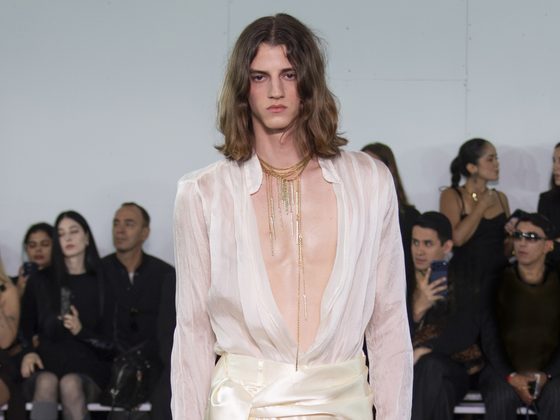
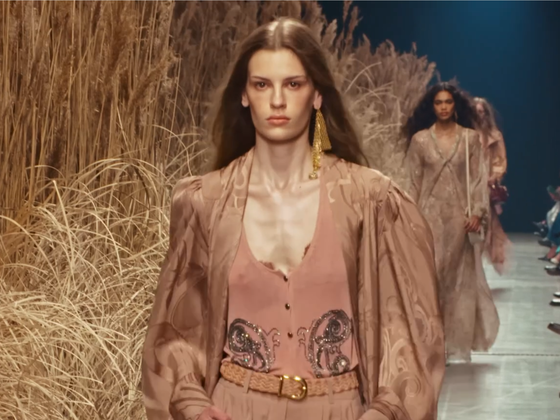
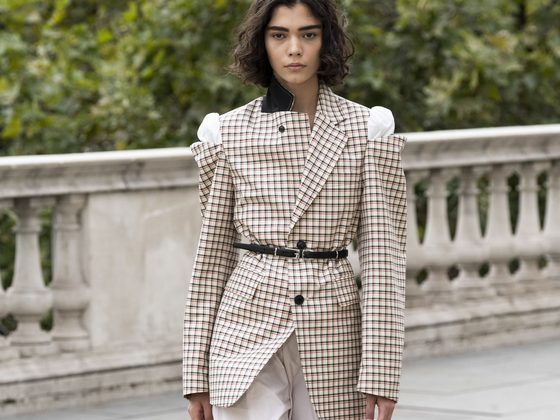
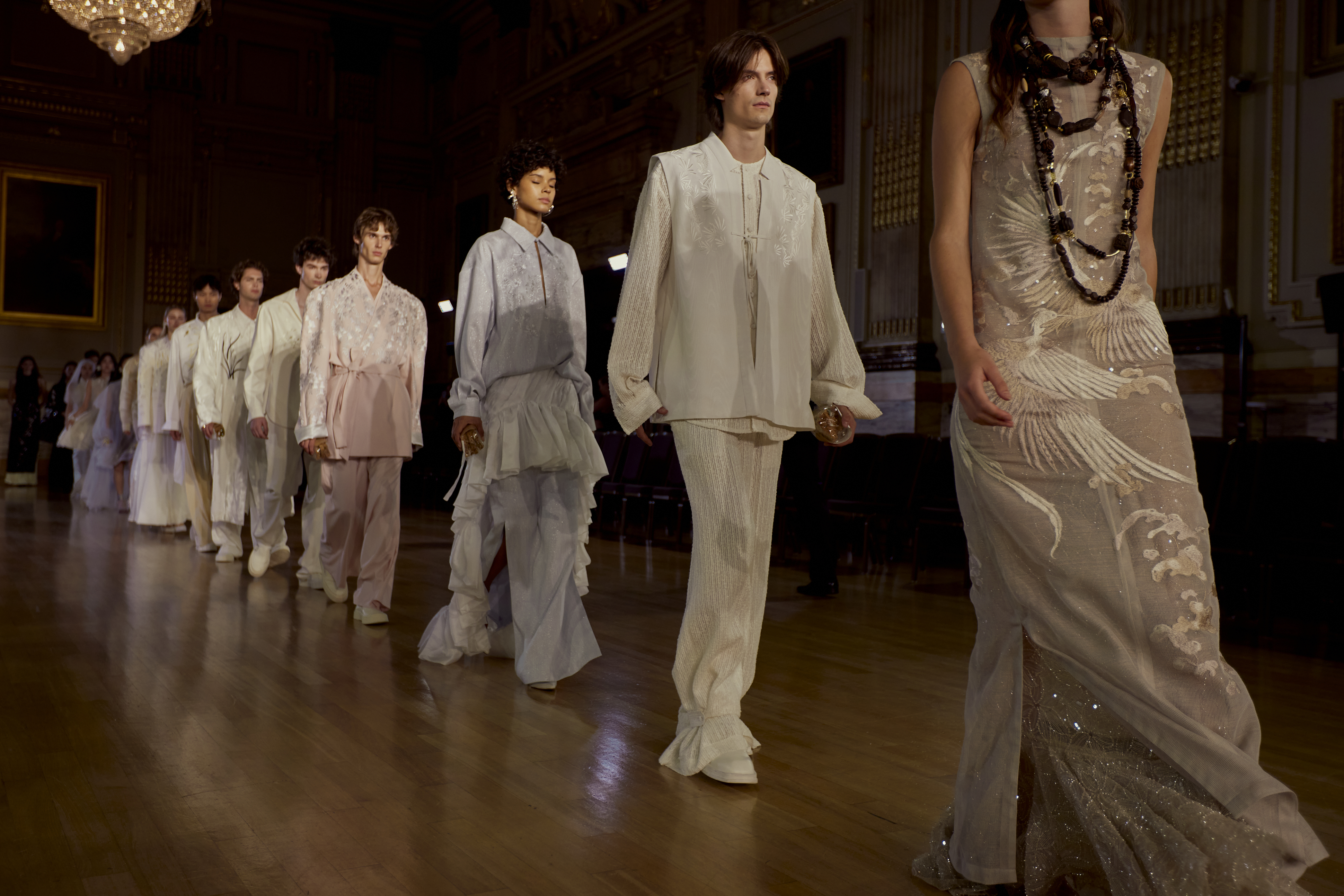
Trends are not useless. They show where fashion moves. Runways and editors point to silhouettes, textures, and styling ideas. British Vogue’s spring/summer 2025 trend overview highlights tank tops, nightie dresses, scarf styling, utility details, and pleated skirts. Seasonal dressing has become more varied.
Copying every trend is impossible anyway. A good wardrobe filters trends through personal style, climate, comfort, and repeat wear. Boutique shopping helps cut through the noise. Less scrolling. More thinking. That is the point.
What Curated Boutique Shopping Does Differently
Mass-market browsing gives you endless options. Curated boutiques flip that. A boutique does not need thousands of products. Its value is a tighter selection, clearer styling direction, and easier discovery. You see less. You understand more.
Online stores such as Zaliya Boutique reflect this shift. Shoppers browse by occasion, silhouette, or mood instead of scrolling through thousands of unrelated items. That structure helps people think in outfits, not isolated impulse buys. That is the real difference.
Building Outfits Around Repeatable Pieces
Repeatable pieces are not boring. They make everyday dressing easier. A dress that works with sandals, boots, or a blazer has more value than something worn once and forgotten. Smart shoppers know this.
A flexible wardrobe does not need 100 items. It needs pieces that actually move with you. The right pieces work across different settings without feeling like a costume change. Here is what that looks like:
- Simple dress. Lunch with sandals. Blazer for dinner. Sneakers for a casual weekend. Same dress. Three different moods;
- Neutral top. Denim, trousers, skirts, or layered under a slip dress. Summer. Winter under a coat. No thinking required;
- Midi or maxi silhouette. Dressed up but not uncomfortable. You can sit, walk, eat, breathe, and still look put together. Comfort matters;
- Accessories that do the heavy lifting. Swap a bag. Switch shoes. Add a scarf or belt. Same outfit. Different vibe. No new clothes needed;
- Seasonal pieces that talk to the rest of your closet. A summer skirt should not hide all winter. Layer it. Add tights. Change the top. Make it work year-round.
The goal is not minimalism for everyone. Buy with more awareness. Each piece should have a clearer role.
How to Shop Without Losing Your Personal Style
Trend fatigue happens when people buy for the feed, not for real life. A strong wardrobe reflects actual routines. Work, weekends, events, weather, travel, comfort. Not just what looks good in a styled photo.
Check fabric. Check fit. Read return policies. Look at styling images. Ask whether the item works with at least three pieces you already own. Good shopping is slower. More intentional. Less frantic.
Questions to Ask Before Buying a New Piece
Fashion should still feel fun. A few simple questions stop weak purchases. This is not about being strict. It is about being intentional.
Before adding something new, ask:
- Would I wear this outside one specific event or trend cycle?
- Does it match pieces I already own?
- Can I style it in at least two or three ways?
- Does the fit work for my real routine, not just for a photo?
- Would I still like this if it was not trending right now?
These questions do not kill creativity. They make personal style stronger. Each purchase needs a reason.
Boutique fashion fits modern wardrobes because it makes shopping more focused, not because it replaces every other way of buying clothes. Trends work when you edit them through your own style. The best wardrobe is not the biggest one, but the one that makes dressing easier and more natural, helping you get dressed without overthinking every single morning. That is the whole point.