A heart-to-heart with Charlotte Cardin on “Take Me Back”
Since first garnering national attention through La Voix, Charlotte Cardin has quickly become one of the most decorated contemporary pop artists in Canada, earning recognition across the JUNO Awards, the Felix Awards, and international institutions for her songwriting and performance work. Following the commercial success of her sophomore album, 99 Nights, she continues to refine a signature style rooted in emotional clarity with her latest release, “Take Me Back”, the spiritual successor of a trilogy established by “The Way We Touch” and “Tant pis pour elle.” Simply put, Charlotte Cardin is building a universe. In a revealing new interview, the Montreal-born artist opens up about her artistic process, deconstructing the themes behind her latest single, “Take Me Back,” and its accompanying cinematic music video. Cardin offers a rare, melancholic insight into the personal reflections and creative influences at the heart of this project: love, loss, and accountability.
This interview has been edited for length and clarity.
Words By Jamie Xie
Photos by Aime-Elle
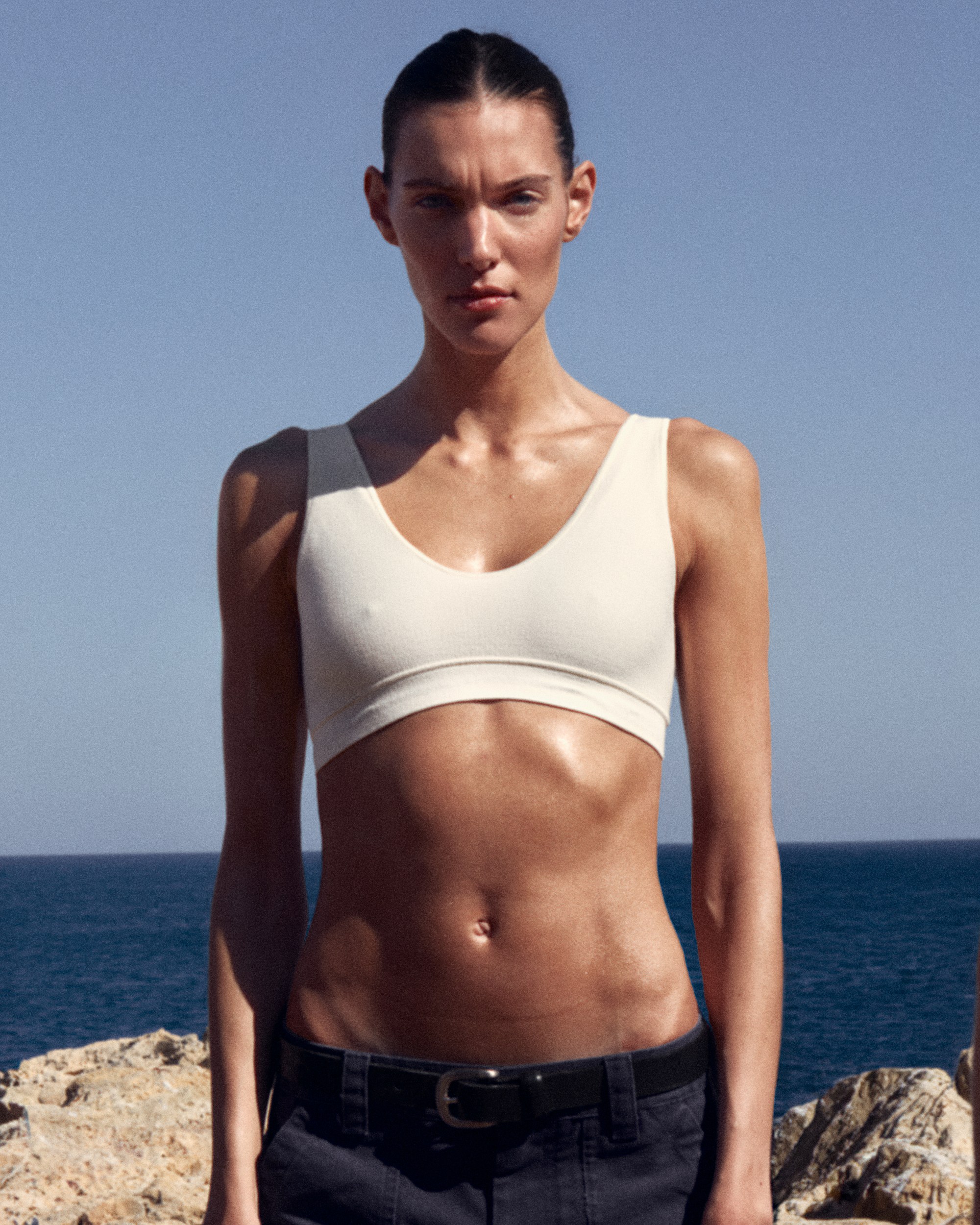
Flanelle: You’re from Montreal, a famously bilingual city. I think there are a lot of different emotions associated with different languages. Can you speak on that and how bilingualism affects your work?
Charlotte Cardin: Yeah, it’s a huge part of my identity because I grew up in both languages. My family is francophone, and I went to school in French mostly, but when I was really young, I went to school in English, and I made a bunch of English-speaking friends. I always naturally switched between both, and I think, as you mentioned, some parts of my personality are associated with each language in a different way. There’s a softness, a vulnerability that I have in French a little bit more than I do in English, and on the other hand, in English I feel like there’s a little bit more sassiness or I feel a little bit more powerful in some contexts. It’s nice to be able to navigate between all of those things through my music and to inject those different parts of myself through those languages. I would never see myself being obligated to pick one or the other because it’s such a fun way for me to push the storytelling a little bit further.
When you write, you write very vulnerably. In this song, you take a really interesting perspective, that of someone who is asking to be taken back, in a really vulnerable position, but they also insinuate that it might be their fault. Could you speak about the particular inspiration for this?
CC: It’s definitely a song about owning up to your mistakes. The whole idea was about those really complicated and nuanced power dynamics within a relationship and how you can find yourself asking for space, and once you get that space, you realize you are now asking for permission to come back. Those power shifts happen, once you’ve had the space you thought you needed, the other person might use that space to heal from your toxic behavior. You kind of see the relationship through a different lens and you realize the most important thing you had might be jeopardized now. So it’s about realizing that and about those power dynamics that are very complicated and can shift at multiple different times during a long-term relationship.
In “Take Me Back” and you say something about Virgo rising and Scorpio season. We know you’re a Scorpio. Do you have any beliefs in astrology?
I definitely 100% relate to my sign which is Scorpio. My producer Jason and I write everything together and his mom is a huge believer in astrology, so he grew up knowing everything about it. He’s been slowly getting me into astrology over the years. I think a lot of those lyrics come from conversations that he and I have in the studio about astrology and life and dynamics between different people. The more I learn about it, the more I do believe in it. I don’t believe everything I read in the newspaper about daily astrology, but I do see patterns in a lot of the people surrounding me. I definitely feel like a real Scorpio.
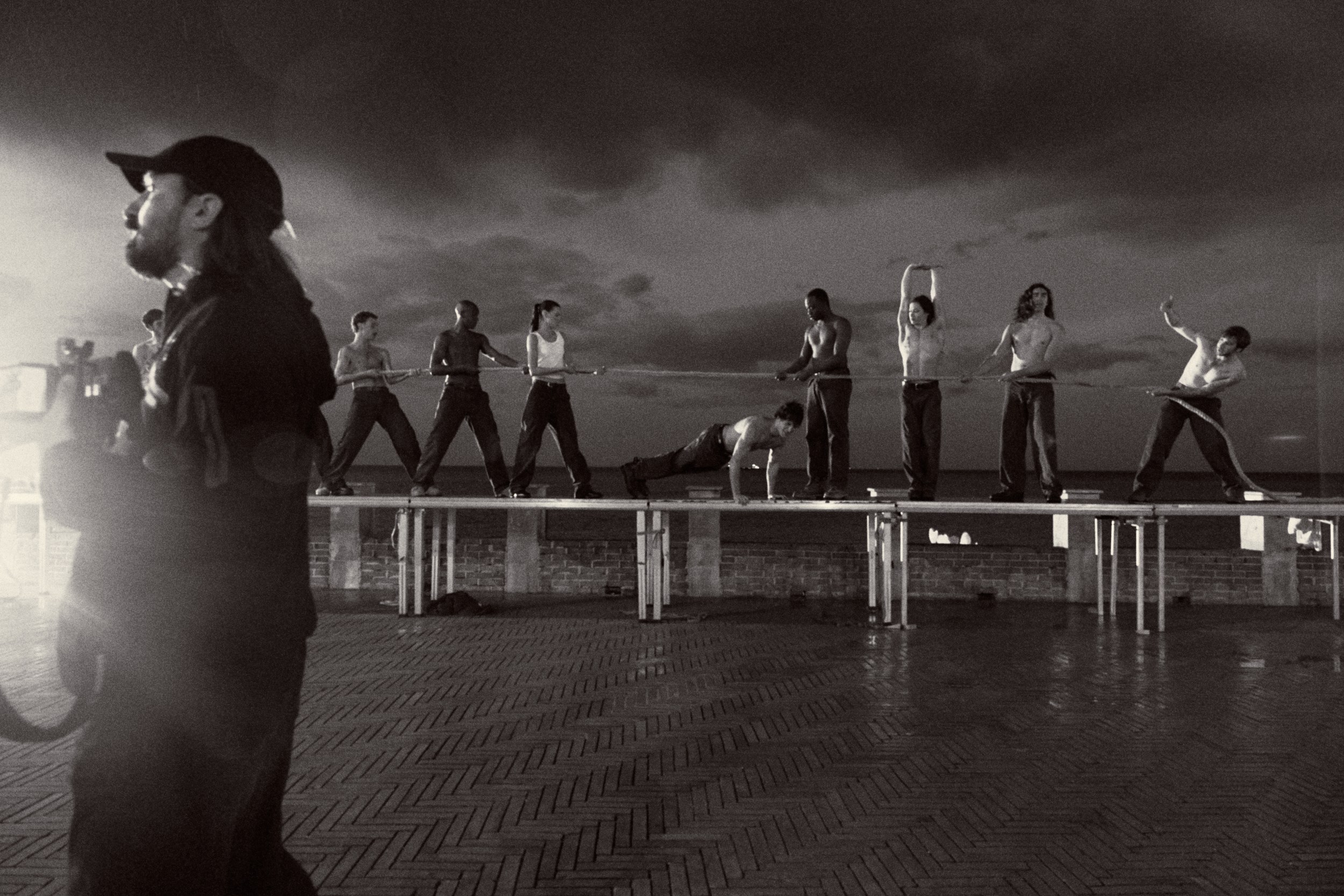
One thing I wanted to ask about was the music video. You have a lot of water metaphors, the tug of war, and this confrontation. Could you speak to those ideas and images?
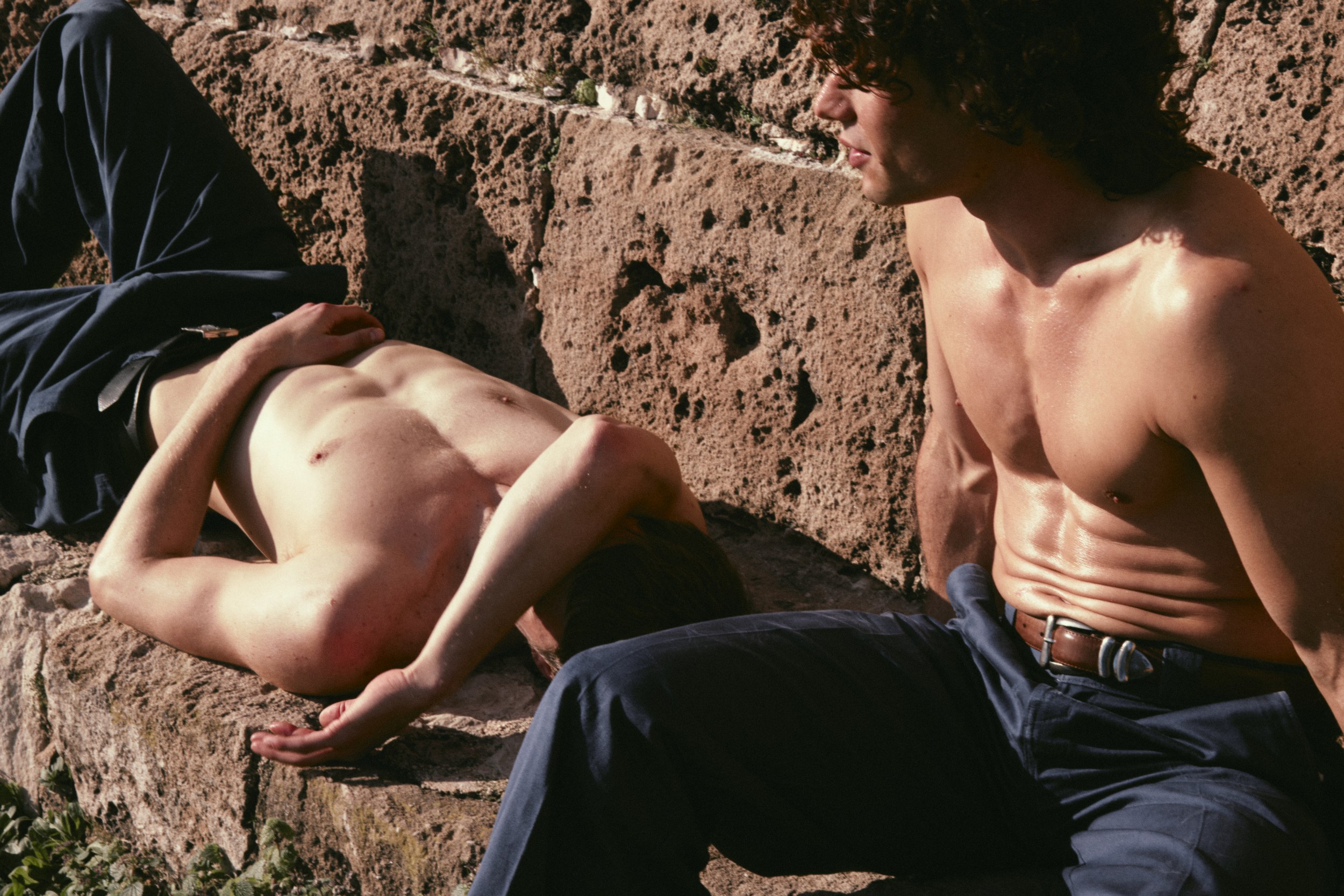
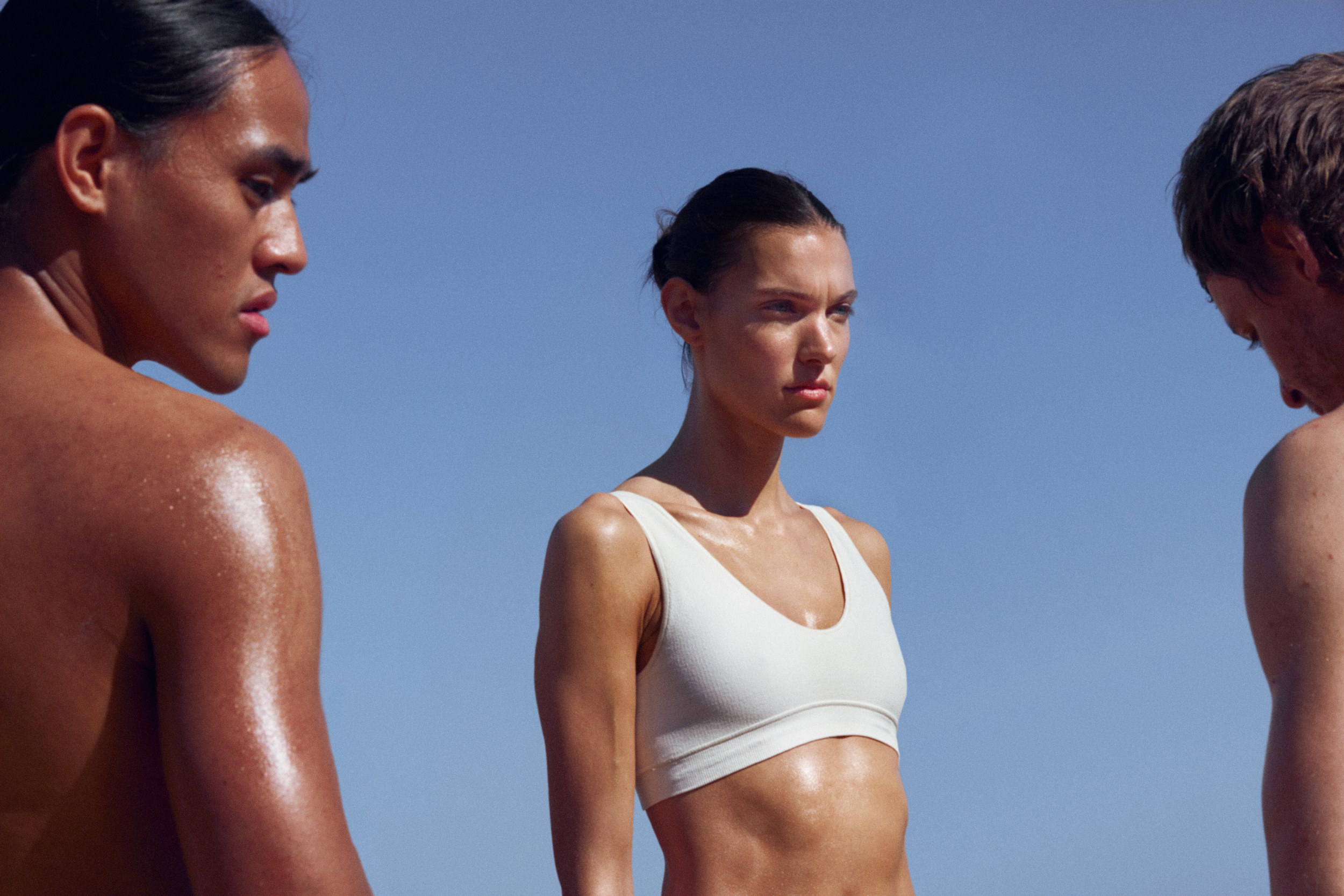
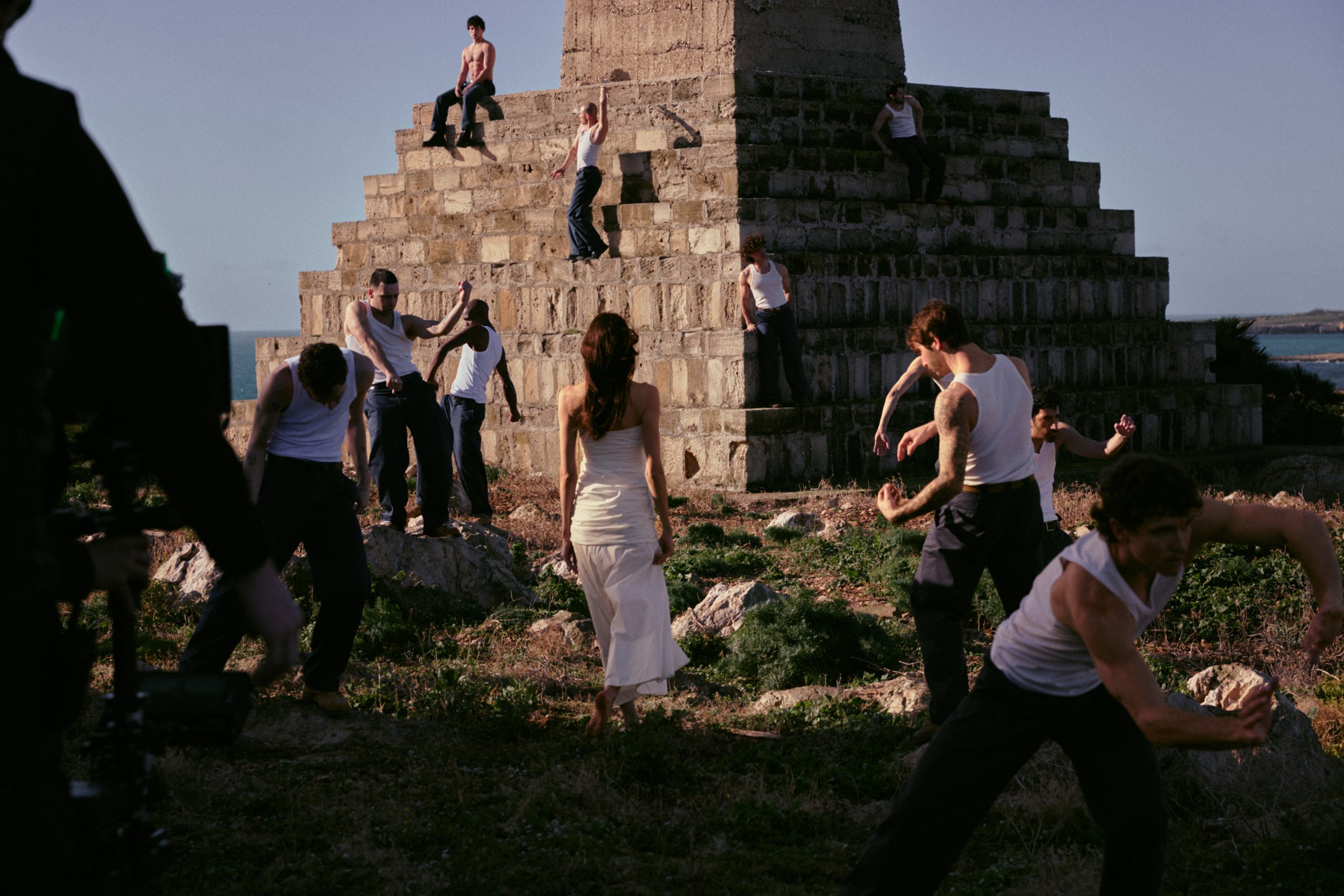
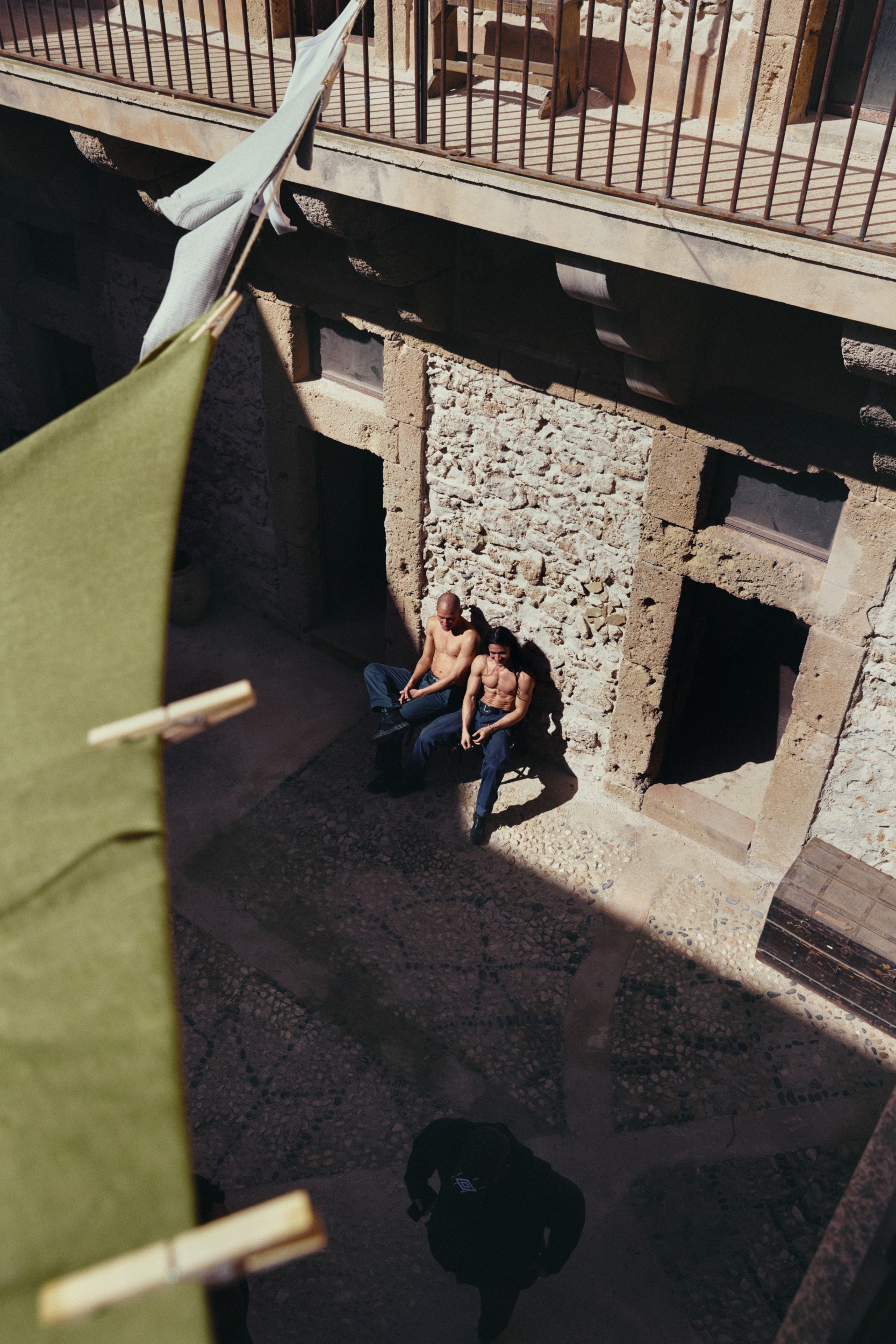
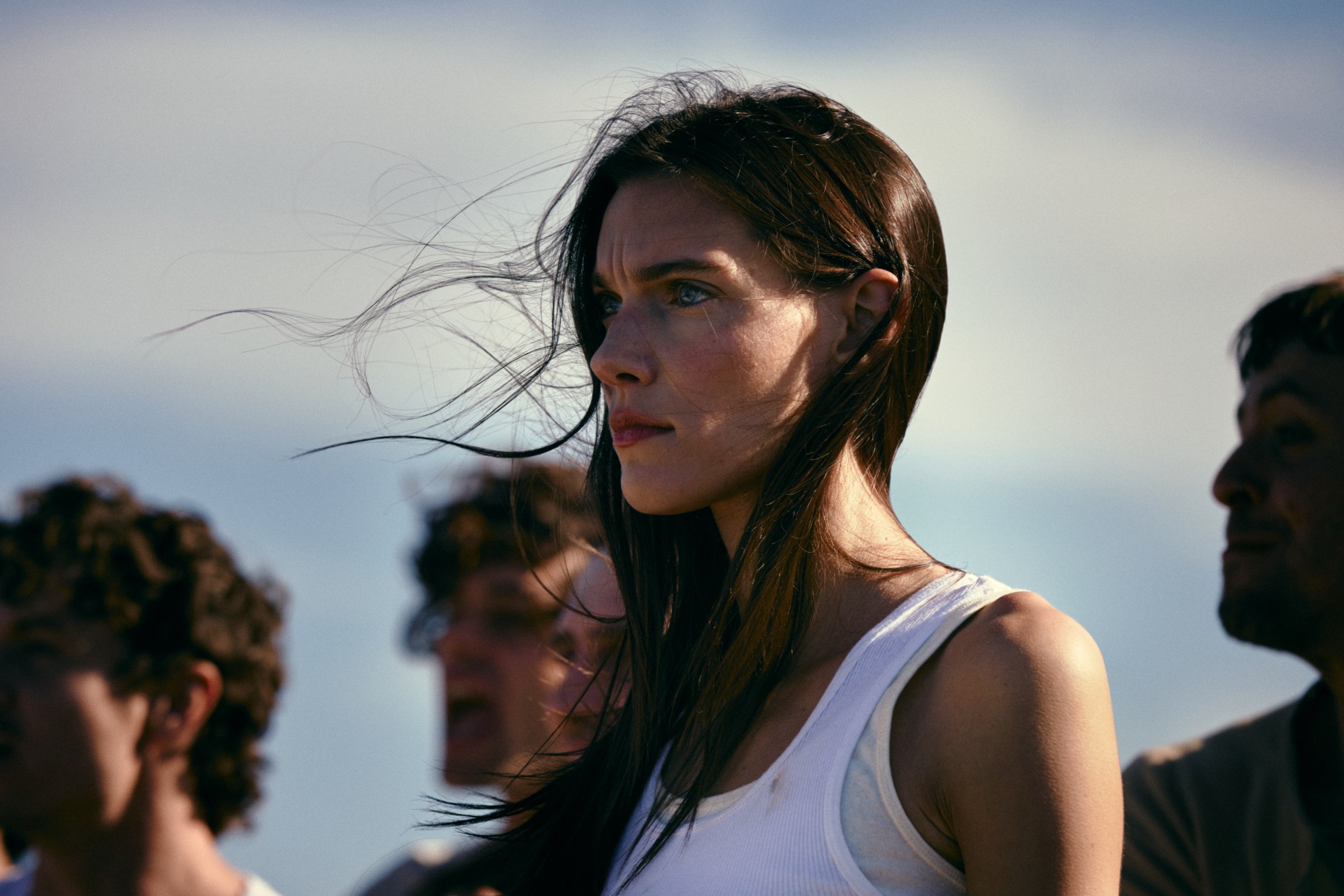
CC: The song is very much about power dynamics and shifts, acknowledging your vulnerability and your mistakes. The director asked me about the song and I told him the whole story that inspired it, the themes. He started putting together ideas that were very visually representative of those power dynamics. The whole idea was like I arrived on this mysterious island where there’s a solid dynamic that I’m completely disrupting. There’s this connection with one person on the island. He came up with the tug of war that’s visually representative of the push and pull of the whole concept, and then the wrestling that happens. All of those ideas were beautifully representative of the song I wrote. He also wanted to have big crashing waves representing those emotional ups and downs. All that symbolism came from him and from discussions we had about the song.
In the video, you have this animated outro at the end. Can you get into that?
CC: For me, it was really cool to add those animation bits because the songwriting process shifts between super personal, intimate stories that I share within my songs, intertwined with crazy imagery that I just come up with. My imagination has always been a way for me to escape, and I like mixing both in my songwriting. We came up with this idea of representing that visually as well, creating this side world that pushes the storytelling beyond anything anchored in reality. My dream would be to at one point, have a full animation of the whole album, where these worlds eventually all connect together and make sense.
Could you speak to how Montreal versus France inspires you differently?
They’re definitely two very different vibes. I share my time between Paris and Montreal now. Paris is really inspiring because culturally Europe is so complex and has so much more history. Montreal is super inspiring on a lot of other levels, but for me, it was time to open up my horizons and live somewhere else. I love the balance of sharing my life between both because Montreal will always have my heart. My family’s here, I create better when I’m here. Montreal has this space where I can take it a little bit easier and have more mental space to create, whereas Europe is inspiring for me right now with so much happening.
What is your headspace like when you create?
Recently, I’ve had to navigate promoting my music, traveling, touring, while also creating. That’s been different because I used to be able to separate both. I’ve been approaching it more like little snippets of time rather than a full three months of creation. When I come to Montreal, I’m in creating mode, and when I travel, I’m mostly touring or promoting. Having that separation has been helping a lot because when I’m in Montreal there’s a head space that automatically shifts because the physical place allows me a more chilled vibe. I’m still learning about creating in that way.
You play with classical jazz elements, R&B components, and electronic components. You’re really playing with musical fusion. Could you talk about that and your musical inspirations?
I grew up listening to pop! I’ve always loved strong, unique female pop vocalists. But I also discovered jazz vocalists when I was a teenager, such as Nina Simone, Ella Fitzgerald, Billie Holiday… vocal tones that were so unique and carried so much vulnerability and emotion. I also had a phase where I was listening to a bunch of Radiohead growing up, which is by far my favorite band. I have all these different influences, which I think you can probably hear through my music. I love being playful and adding brass instruments, electro inspiration, and accordion, which came from thinking it’d be interesting to have a Quebec folklore reference at the end of the song. My grandparents were huge into Quebec folklore and songs specific to Quebec culture, so I wanted to integrate a little bit of that.
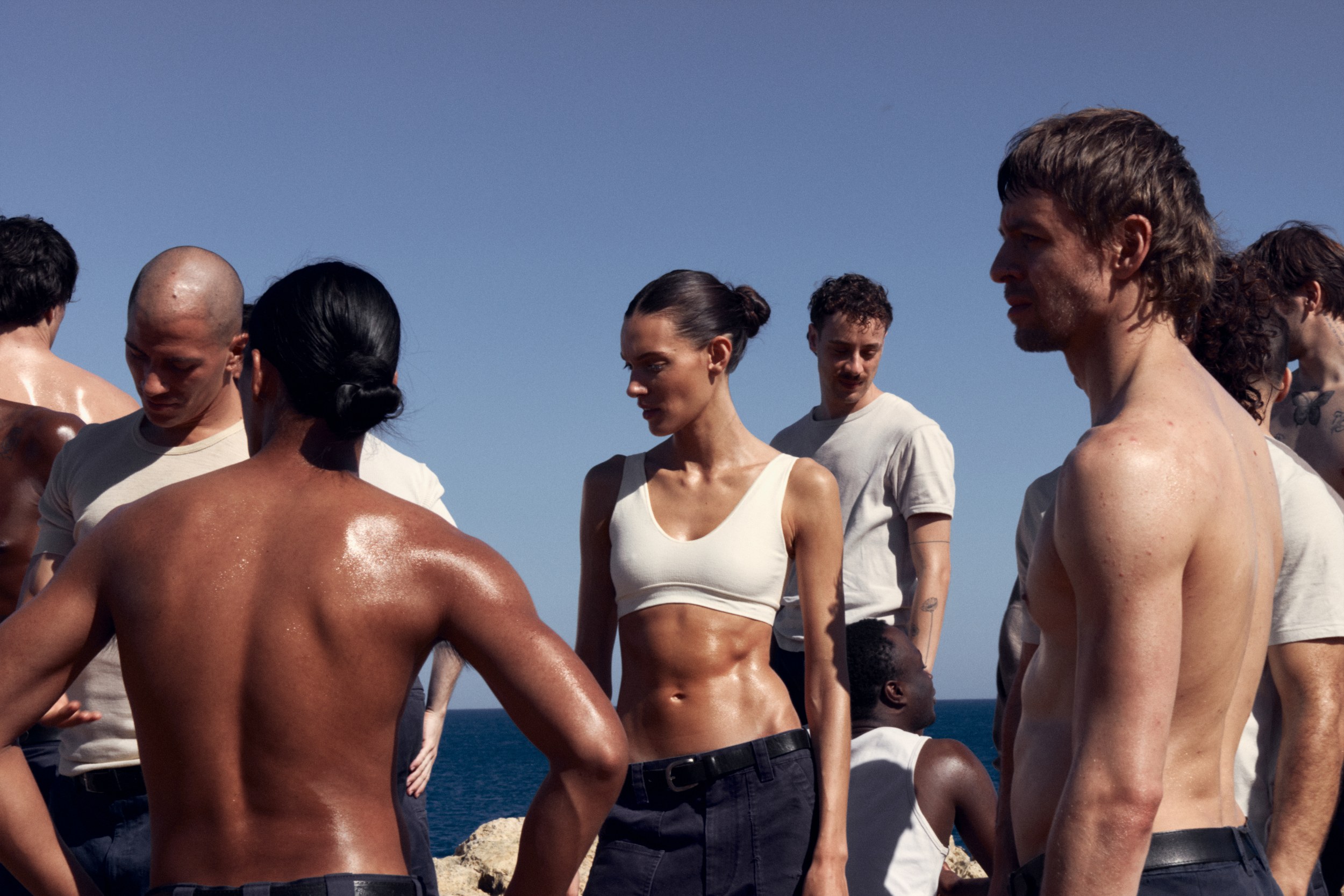
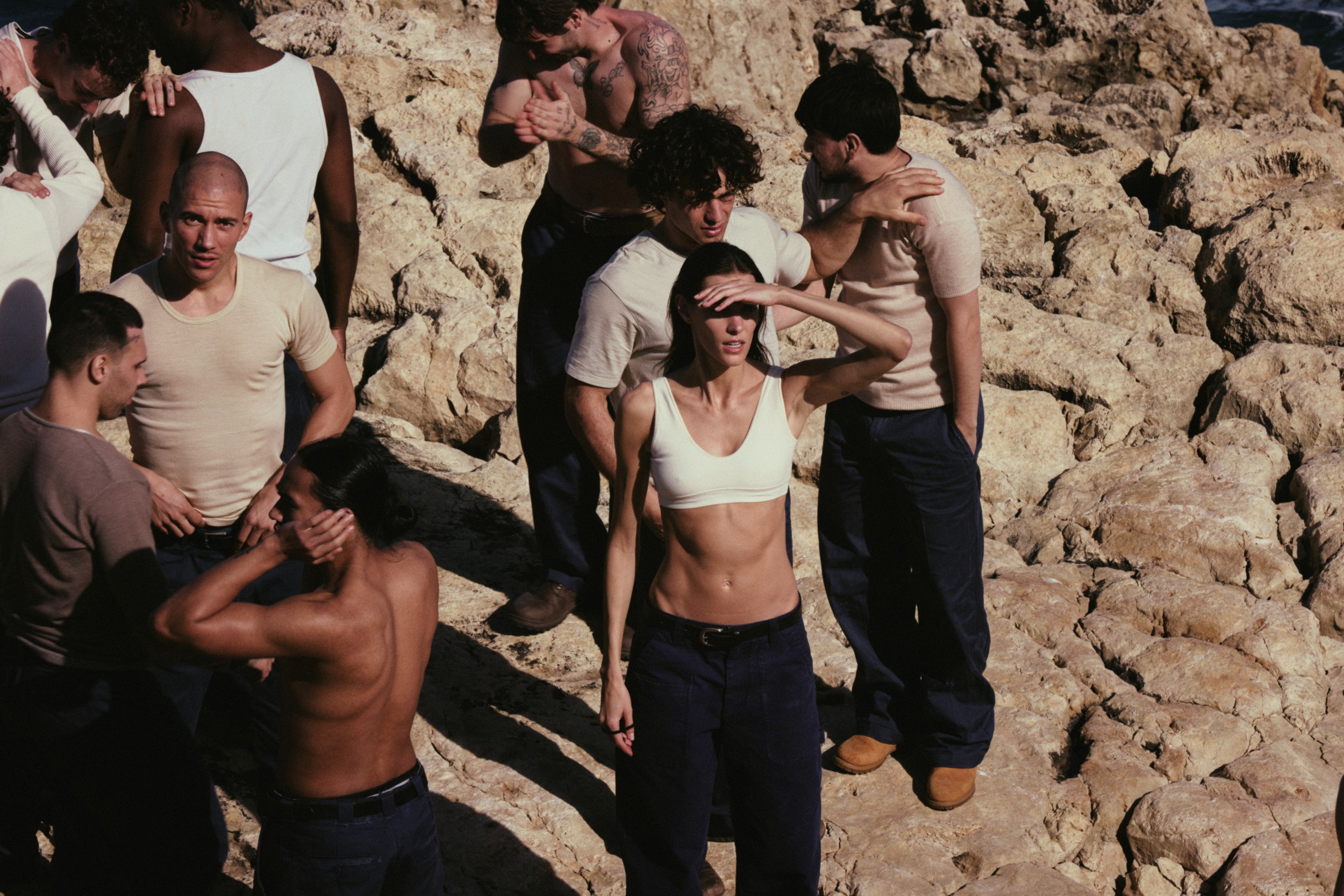
I was thinking about how you’re playing with masculinity and femininity in the video. Could you talk about that gender dynamic?
Although ‘Take Me Back” isn’t about that disparity, well, the music industry, like every other industry, is definitely not equal. Less than 20% are female when you look at not only artists but managers, technicians, musicians, and producers. I reflect on that a lot. In this video, it’s not a representation of the music industry, but when we came up with the concept, I thought it was interesting. I’ve always felt my strength came through my vulnerability. Writing about personal, vulnerable, sometimes humiliating things is a way for me to feel strong and liberate myself. I thought it was interesting to create a music video where vulnerability is what disrupts physical strength, with me being the only woman as an extreme representation of that. Vulnerability sometimes is the most powerful thing in a world where physical strength is always put forward.
What is the ideal way to listen to [Take Me Back] for the first time?
I think it’s a really fun song to listen to in the car. I love listening to music in the car; driving and seeing beautiful landscapes and getting lost in your thoughts is such a good way to be a sponge for lyrics that might hit you extra hard. My favorite way for people to discover my music is to see it live, where you get to feel everyone’s energy and all be connected to this one emotion at the same time. So either in the car or come hear me play it live!
Through “Take Me Back,” Cardin continues to expand a body of work rooted in radical emotional honesty. As she splits her time between Montreal’s grounding calm and Paris’ electric inspiration, she leaves audiences with a confession: something to listen to with the windows down. Let the waves wash over you.