Winter dinner dressing presents a strangely specific fashion problem. The outfit has to survive a frigid walk, perhaps a wait for a car or several blocks on foot, then somehow remain comfortable inside a restaurant where the heat is turned up and candles are glowing on every table. Dressing exclusively for the weather can leave you overheating before appetizers arrive. Ignoring the temperature creates the opposite problem. The solution is not piling on more clothing, but treating the outfit as a series of deliberate layers that can change once you step indoors.
Start With A Smart Knit
A sweater is the natural foundation for many winter outfits, but dinner calls for something more considered than the knit you wear while running errands. Fine merino, cashmere and fitted ribbed styles provide warmth without creating unnecessary bulk underneath a coat.
The versatility of women’s sweaters makes them particularly useful here. A fitted turtleneck can sit beneath a blazer or pair with a satin skirt, while a slightly relaxed cashmere crewneck works beautifully with tailored trousers and pointed boots. Cardigans offer another option because they can be opened or removed easily when the restaurant feels warm.
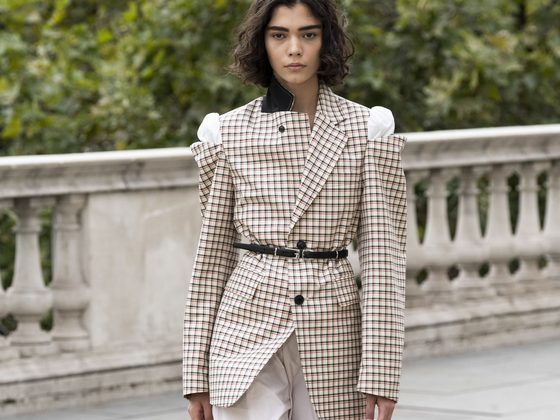
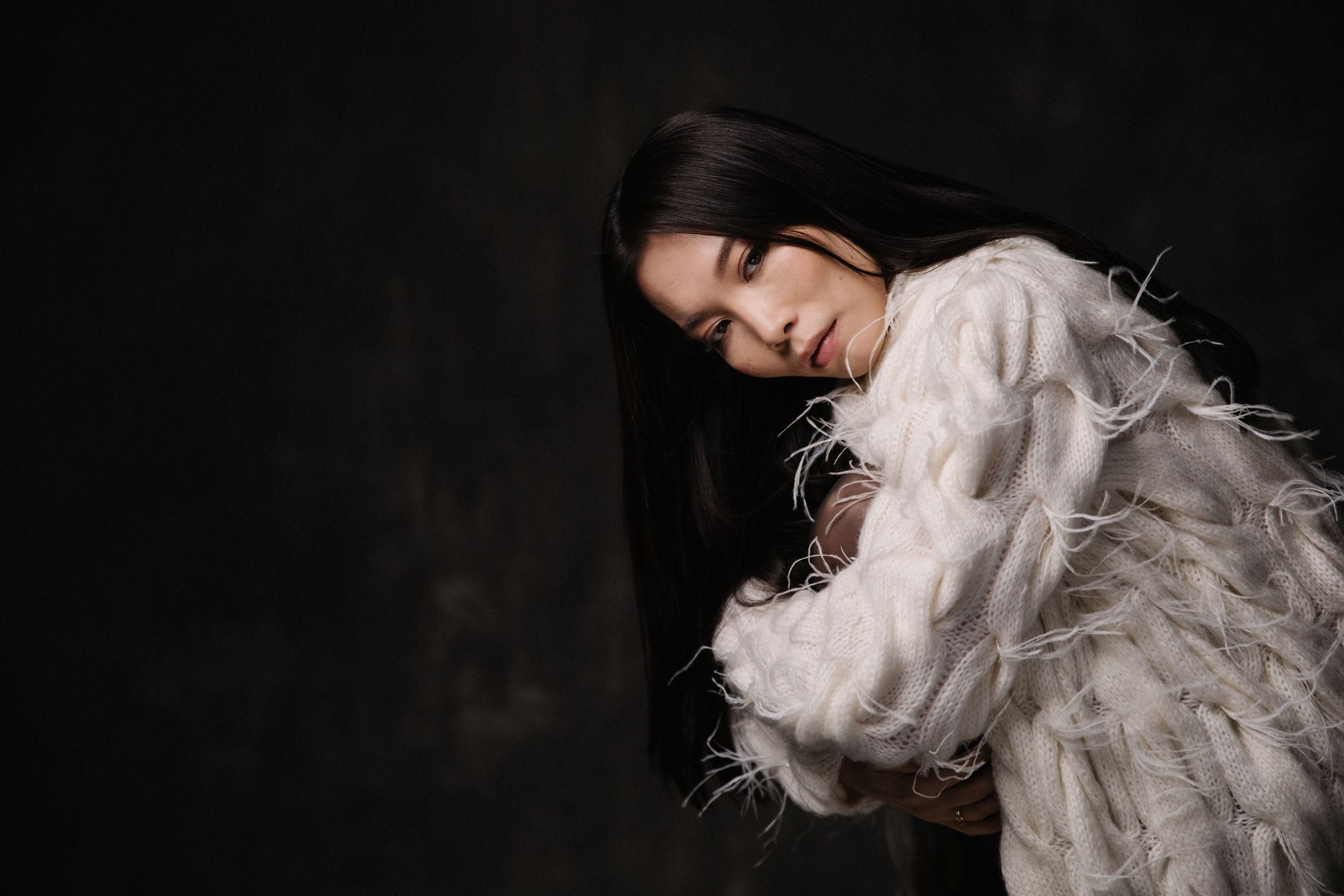
Pay attention to what happens when the coat comes off. Interesting necklines, sculptural sleeves and rich textures prevent a simple knit from feeling like an afterthought. Deep chocolate, burgundy, charcoal and cream have enough presence for evening without requiring embellishment. If the sweater itself has volume, balance it with a cleaner bottom half rather than adding bulk everywhere.
Let The Coat Lead
A winter dinner outfit spends part of the evening hidden beneath outerwear, which makes the coat more important than it might be during another season. It is the first piece anyone sees when you arrive, and the last one you put on before leaving.
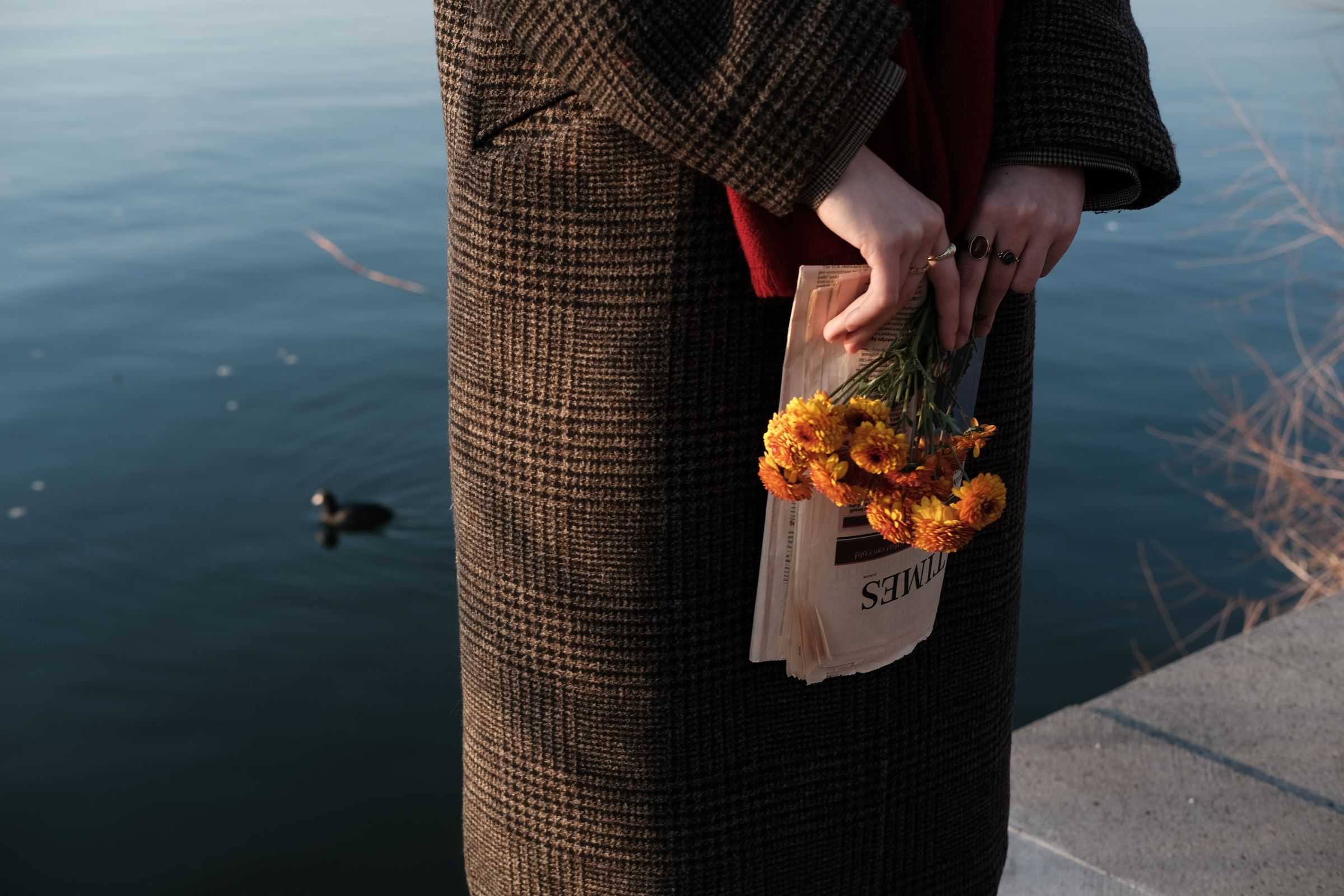
Long wool coats remain particularly effective because they protect dresses and skirts while giving even simple separates a polished silhouette. Black is dependable, but camel, navy, winter white and dark brown can be just as versatile. A beautifully cut coat also allows the clothing underneath to remain relatively simple.
The key is choosing outerwear roomy enough to accommodate layers without swallowing the outfit. If a blazer is part of the look, make sure the coat can comfortably close over it. If you are wearing a substantial sweater, avoid a coat with sleeves so narrow that the knit bunches underneath.
Scarves can provide warmth outdoors without committing you to another full layer inside. Choose one substantial enough to be useful but compact enough to fold into a bag or drape over your coat at the table.
Build More Outfit Options
Winter wardrobes often feel repetitive because the same practical pieces appear day after day. Dinner is an opportunity to experiment with combinations rather than immediately shopping for an entirely new outfit. Expanding your winter wardrobe can be as simple as introducing a new texture, silhouette or styling combination that makes familiar staples feel less predictable.
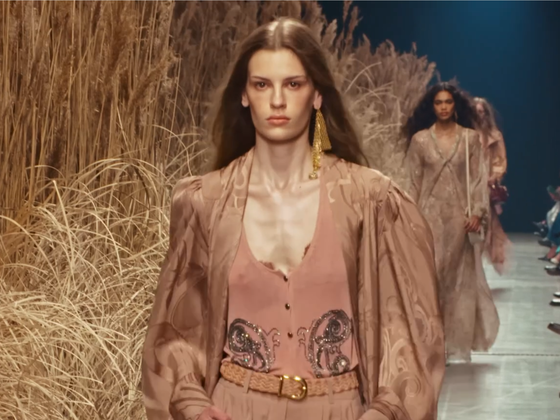
Try a silk or satin midi skirt with a fitted knit and tall boots. Pair tailored wool trousers with a bodysuit, cardigan and oversized coat. A sleeveless winter dress can work surprisingly well when worn under substantial outerwear, especially if the destination will be warm.
Texture becomes particularly valuable when the color palette is restrained. Leather against cashmere, velvet with wool or satin beneath a substantial coat gives an outfit depth without relying on prints or excessive accessories.
Tights also deserve more attention than they typically receive. Sheer black tights can make an evening dress feel lighter, while opaque versions offer more warmth. Textured or subtly patterned styles can transform a familiar skirt without making the outfit feel overly complicated.
Choose Shoes For Reality
Nothing tests an ambitious shoe choice like several icy blocks between the car and the restaurant. Winter footwear needs to acknowledge where the evening is actually happening.
Knee-high boots solve many problems at once. They add warmth beneath skirts and dresses while providing more coverage than pumps or ankle boots. Sleek leather styles with manageable heels can feel polished enough for dinner without becoming impractical.
With trousers, pointed ankle boots create a similarly refined line. Loafers can work on milder evenings, particularly with socks or tights incorporated intentionally into the outfit. Delicate heels are better reserved for nights when very little outdoor walking is involved.
Weather matters, too. Salt, slush and rain are not especially kind to suede or fragile leather. Checking the forecast before choosing footwear may not sound glamorous, but neither is spending dinner examining a water stain on a favorite pair of boots.
Keep The Final Layer Light
Accessories should finish a winter dinner outfit rather than make it feel heavier. Once coats, scarves, boots and substantial fabrics are involved, restraint becomes useful.
A compact shoulder bag or clutch provides contrast to all that outerwear. Jewelry can introduce shine, particularly against matte winter fabrics. Gold hoops, a sculptural cuff or a pendant over a simple knit can be enough. If the outfit already includes metallic fabric or embellishment, scale the jewelry back.
The best winter dinner outfits recognize that the evening has two climates. Dress intelligently for the journey, but make sure the look underneath can stand entirely on its own. Once the coat lands on the back of the chair, the outfit should feel as effortless as if winter had never been part of the equation.