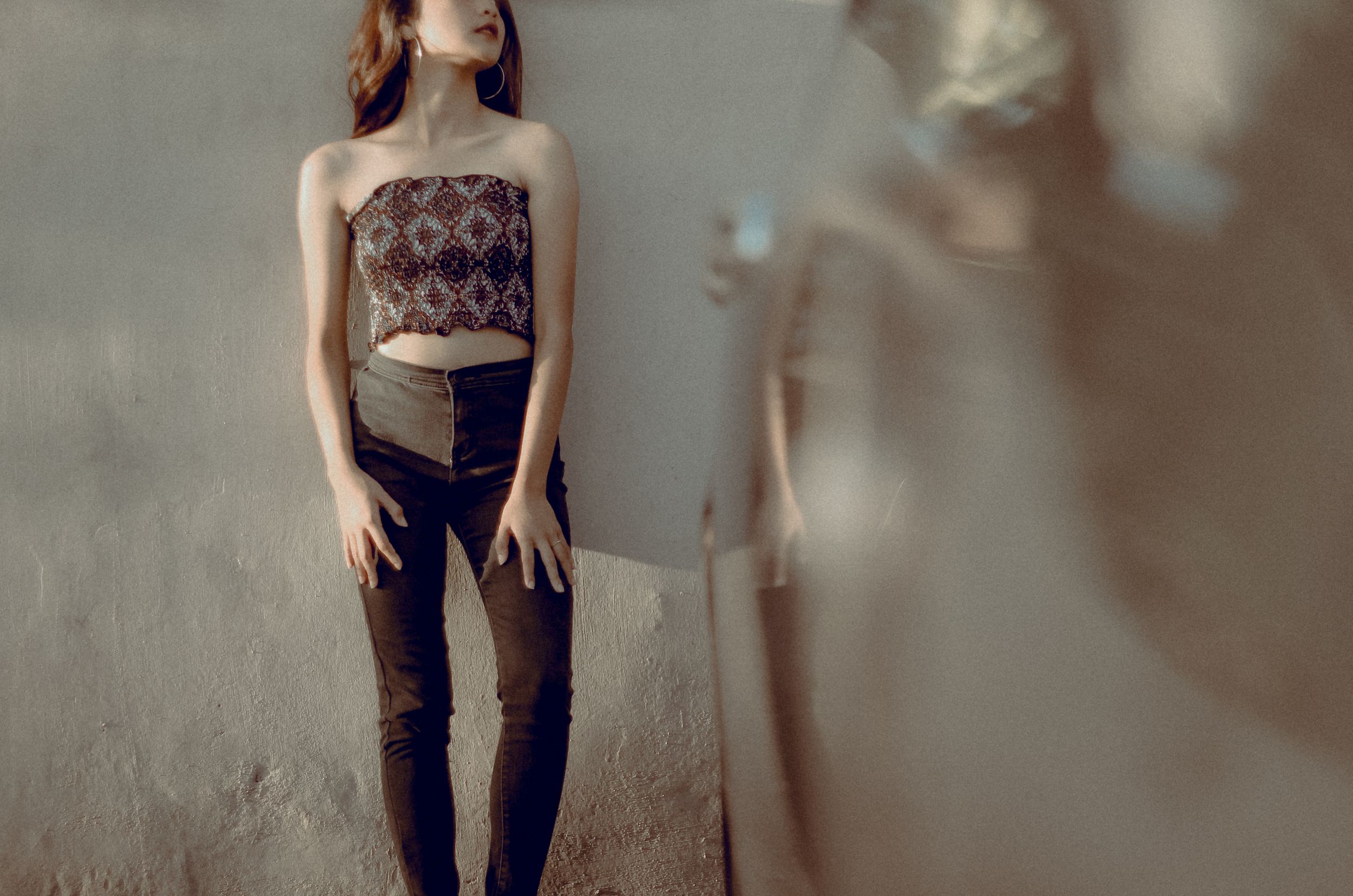
Fashion cycles through silhouettes with reliable regularity, declaring each new shape the definitive one before quietly moving on. The high-waisted trouser has managed something different: it has survived multiple cycles of being declared finished and returned each time, not as a revival but as a continuation. There is a reason for that.
Proportion, not trend
The staying power of the high-waisted silhouette comes down to a principle that has nothing to do with fashion and everything to do with how the eye processes proportion. A high waistband creates a visual anchor at or above the natural waist, which lengthens the apparent leg line and draws the eye upward. This effect is consistent across different body types, which is why the silhouette shows up in virtually every decade of twentieth-century fashion, regardless of what else was happening at the time. High waisted pants also resolve the styling question that lower-rise alternatives leave open: what goes on top.
A high waist creates a natural tucking point, which means a shirt, blouse, or fitted top instantly looks considered rather than assembled. The relationship between the waistband and the hem is already settled before you have added anything else.
The history behind the staying power
The silhouette appeared in 1940s tailoring, returned in the wide-leg trousers of the 1970s, dominated the structured power dressing of the 1980s, disappeared briefly during the low-rise era of the early 2000s, and has been consistently present in collections across the market since around 2016. That is a decade of dominance in a fashion cycle that typically moves in two to three-year waves.
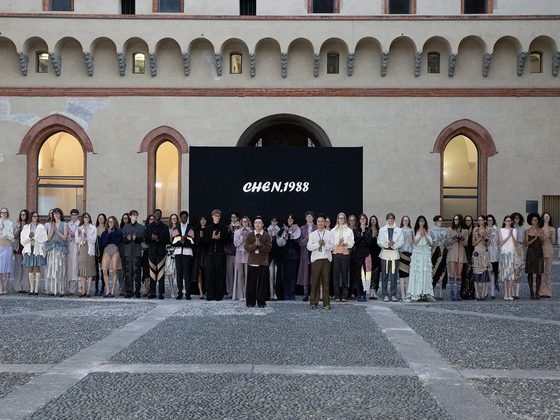
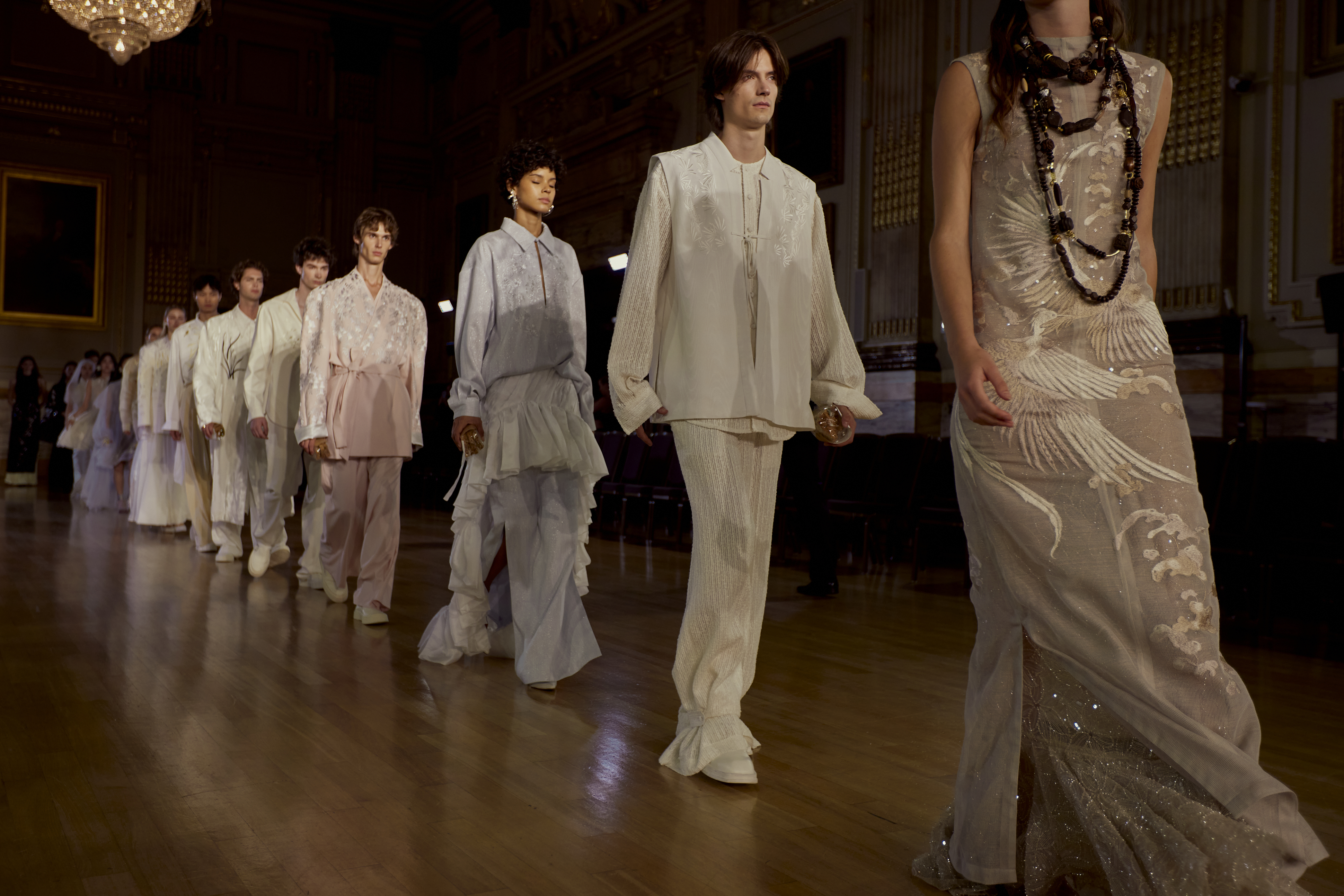
Flanelle’s coverage of independent fashion voices – including the F/W 25 collection by Min-Ji Kim, which examined silhouette as a vehicle for storytelling – reflects the broader conversation happening in contemporary fashion around garments that earn their place through construction and consideration rather than novelty. The high-waisted trouser is a clean example: it works because of how it is built, not because of what season it is.
What the construction variables actually mean
Not all high-waisted trousers deliver the same result. The waistband itself is the critical component. A rigid waistband digs and creates discomfort, particularly when sitting – and a trouser that requires management throughout the day defeats the purpose of choosing a reliable silhouette. A structured but slightly flexible waistband, ideally incorporating some elastane in the fabric, holds its shape from morning to evening while remaining genuinely comfortable.
The rise measurement matters too. Trousers marketed as high-waisted vary considerably in how high the waist actually sits. True high-waisted sits at or above the natural waist, which produces the proportional effect described above. Many trousers brands describe as high-waisted are, in practice, mid-rise cuts that do not deliver the same visual result. It is worth checking measurements rather than relying on descriptions.
Styling in 2026
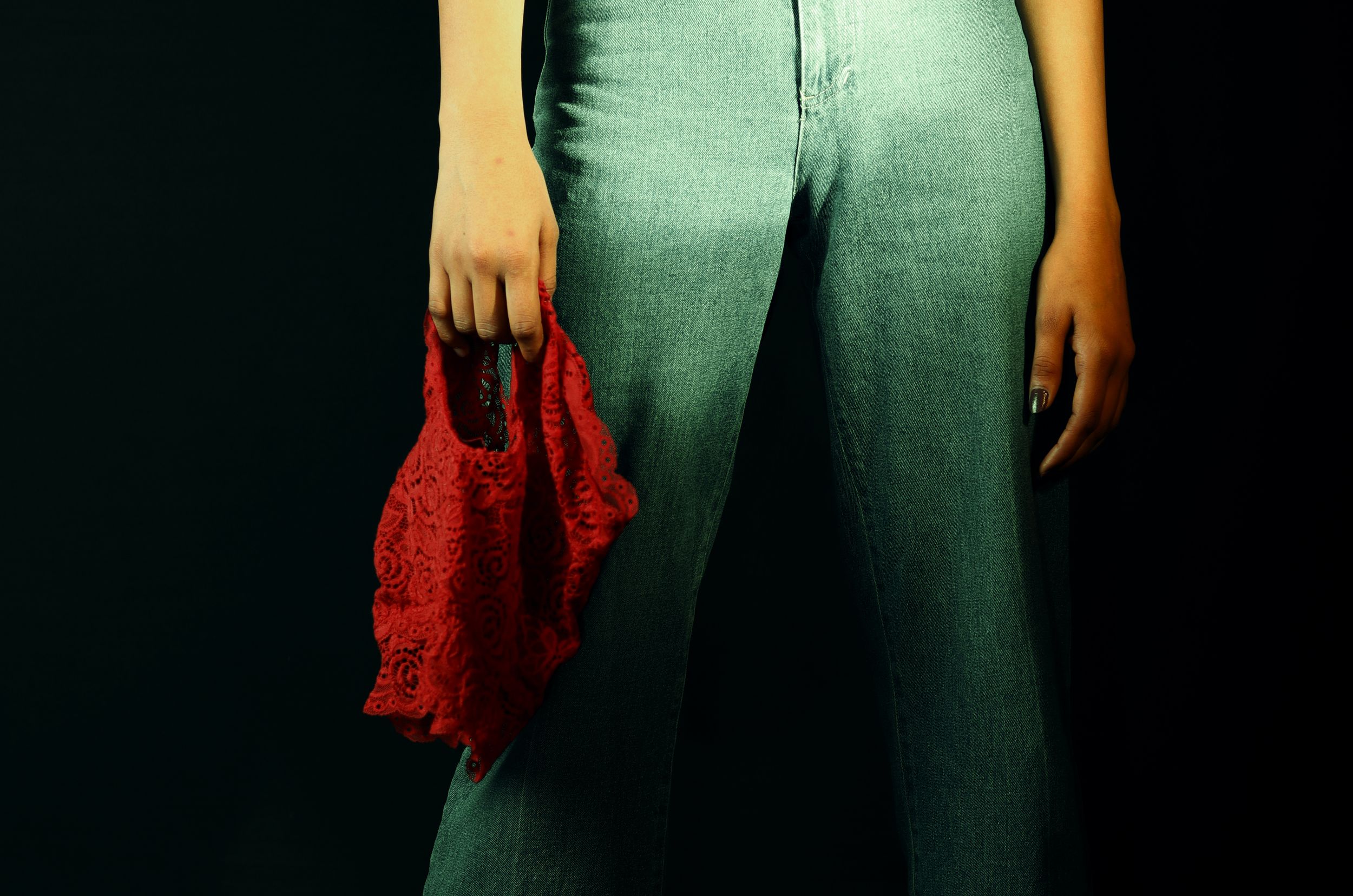
The contemporary high-waisted trouser pairs naturally with a tucked-in shirt or blouse, a cropped knit, or a fitted bodysuit. Wide-leg, straight-leg, and tapered cuts all work within the high-waisted framework, which gives the silhouette more versatility than most trouser styles. The science of proportion in fashion design consistently returns to the same principle: garments that work with the body’s natural geometry outlast those that work against it. The high-waisted trouser is one of the clearest examples of that principle applied.
Footwear choice is more forgiving with a high-waisted silhouette than with lower-rise alternatives. Because the waist creates enough visual length, the proportions hold across flat shoes, heels, and trainers without requiring significant recalibration.
A silhouette that asks very little of you
The practical case for a high-waisted trouser in any wardrobe is this: it does most of the styling work before you have added anything else. The proportion is already right. The tucking question is already answered. What you add on top moves the register up or down – more casual, more formal – but the foundation is sound regardless. That reliability is exactly why the silhouette keeps returning, and why it will still be relevant when the next trend cycle declares it finished.